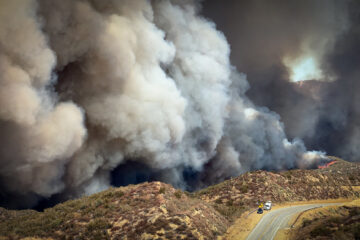
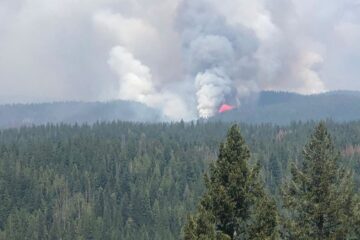
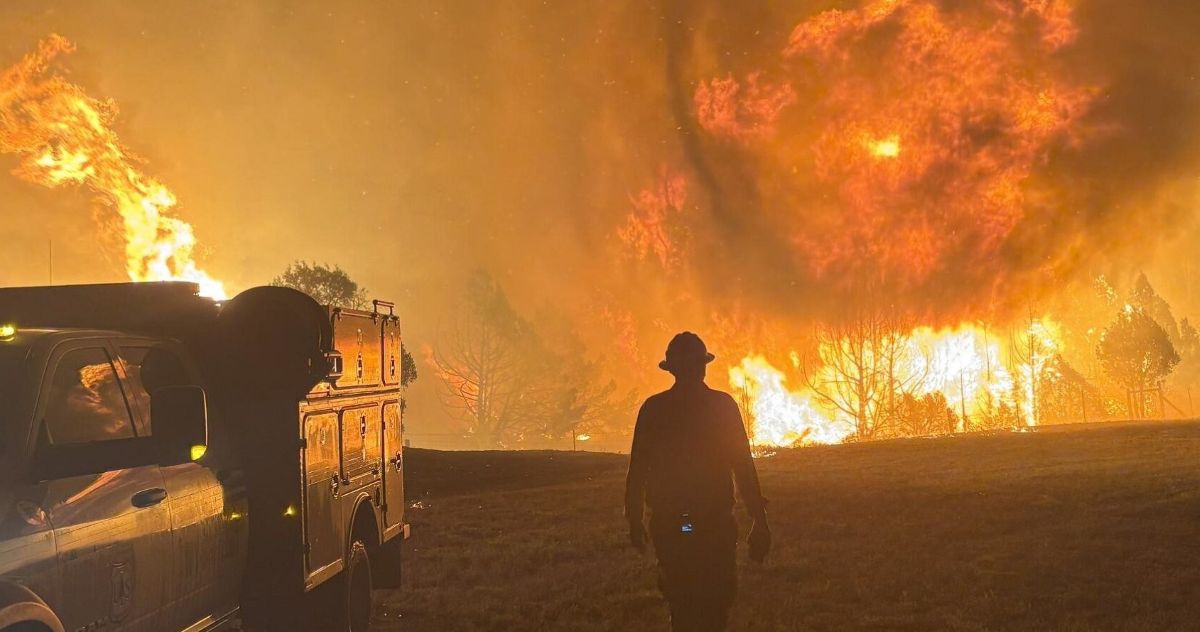
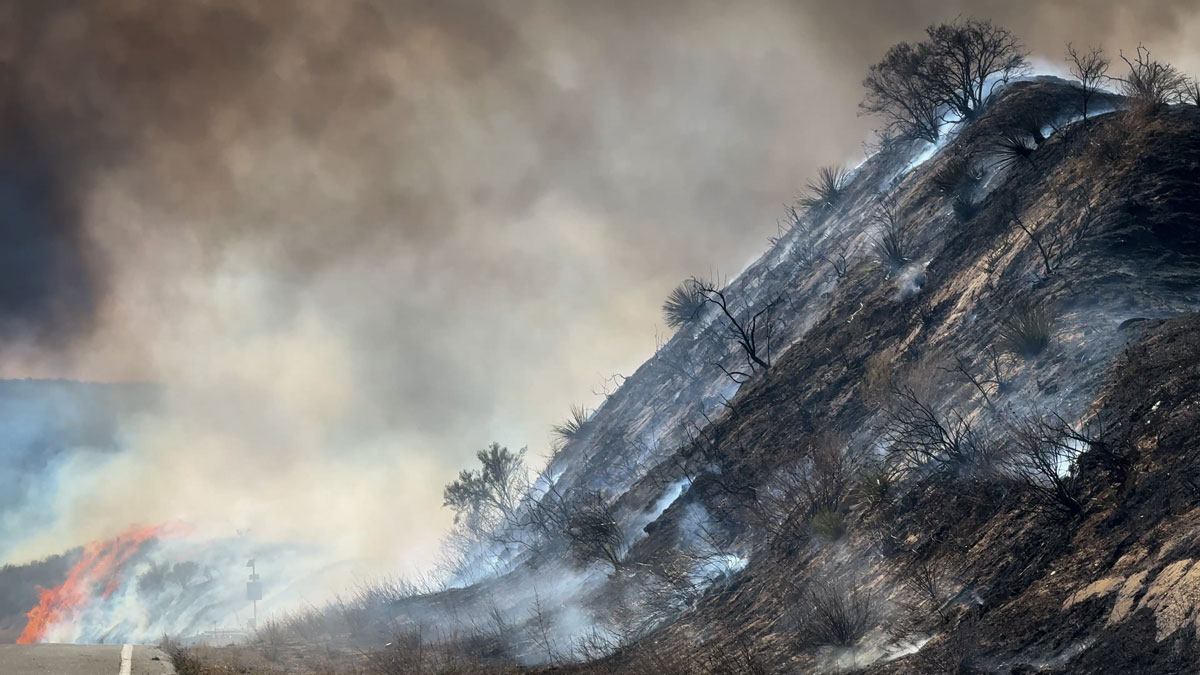
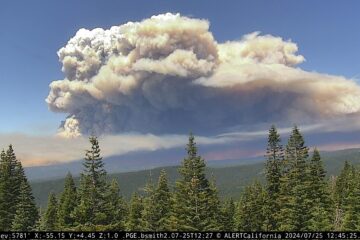
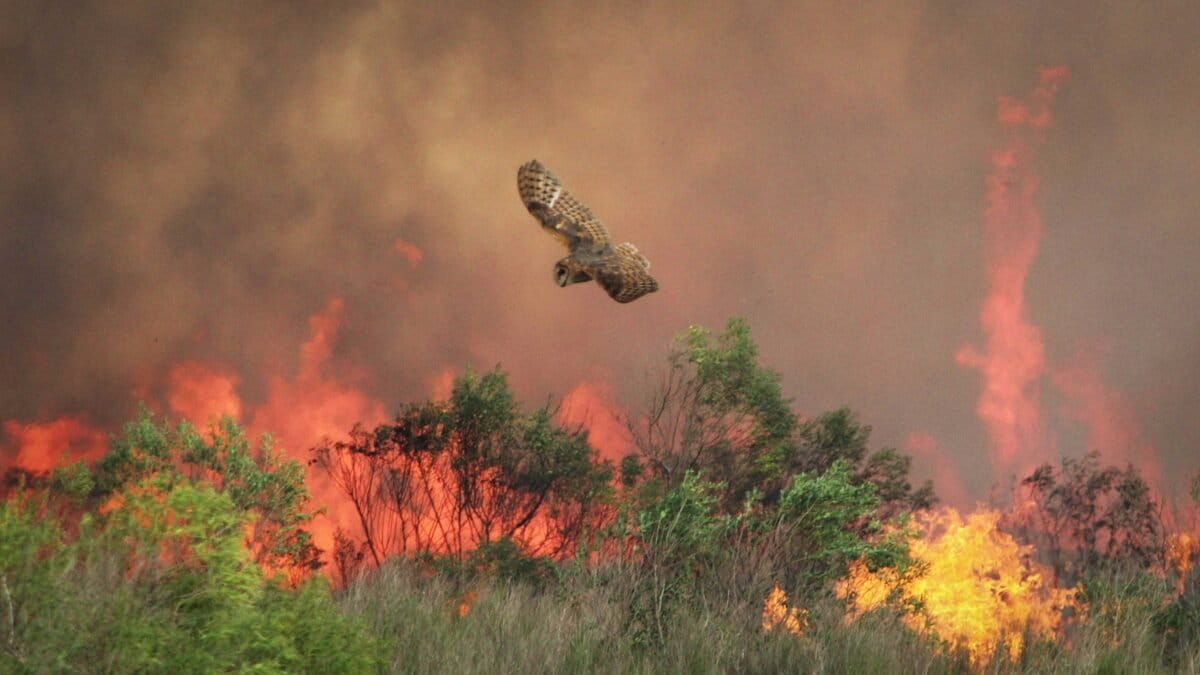
With a puny snowpack in the Western mountains and a widespread drought, the nation is a tinderbox. A reorganization of federal firefighting efforts and the departure of many staff qualified to join the fight are heightening concern. By Peter Aldhous,...
Scientists found that low autumn snow levels in western Eurasia are associated with dry, warm winters in California, increasing the Golden State’s wildfire risk. By Andrew Chapman, EOS California is no stranger to the hot, dry summer weather that makes...
Publication examines the two-way relationship between fire-adapted invasive plants and wildfire regimes — and offers science-based tools for integrated management and landscape restoration The Council for Agricultural Science and Technology (CAST) has released Integrated Management of Fire-Adapted Invasive Plants That...
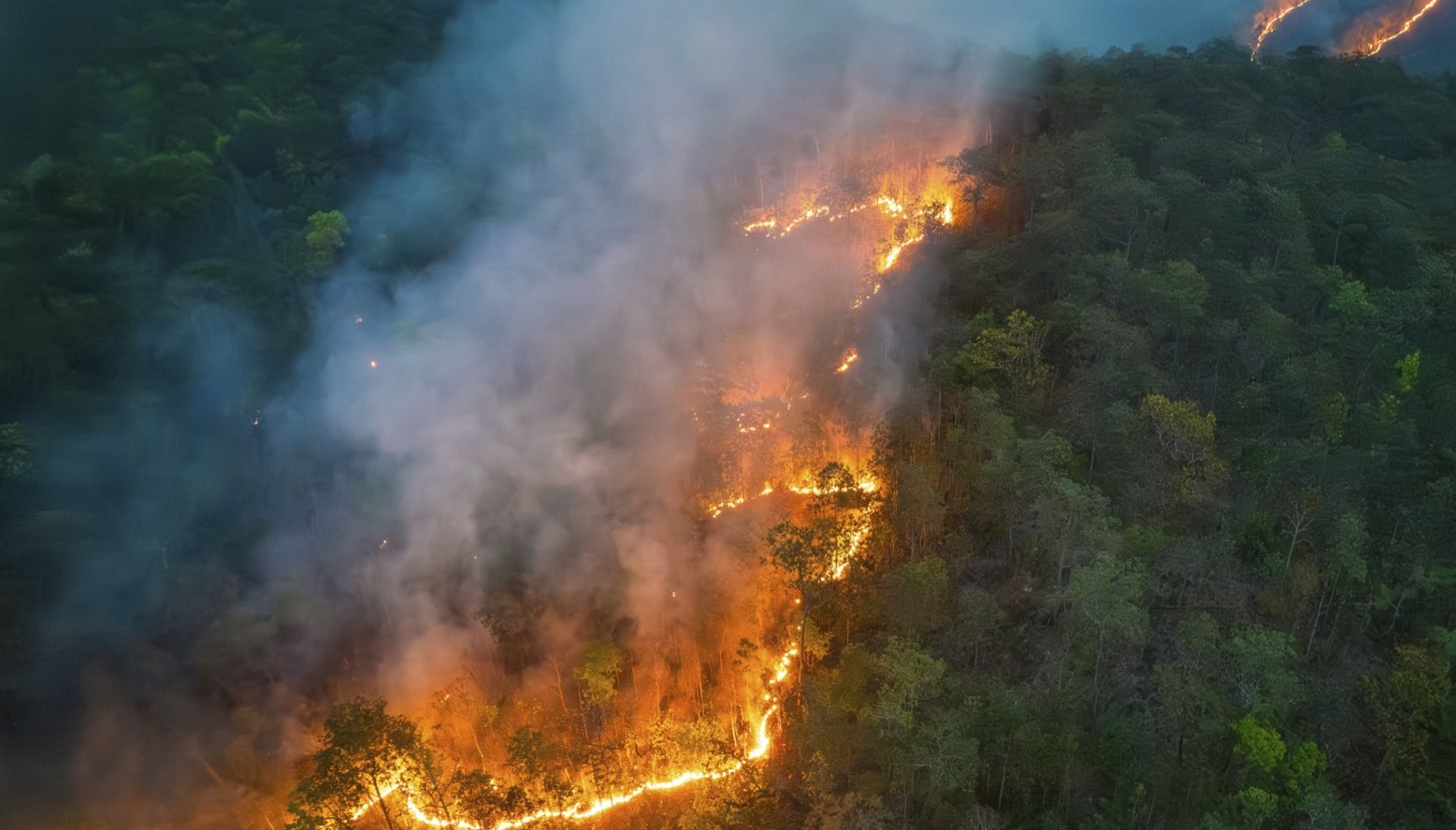
In populous regions, higher population density is linked to fewer fires, while adding people to emptier areas makes blazes more common By the American Geophysical Union (AGU) The number of wildfires burning in the Western United States each year dropped...
New research shows how severe blazes can transform a harmless trace metal into a carcinogen. by Kylie Mohr, High Country News Soil and rocks throughout the West naturally contain chromium-3, a harmless trace element also found in animals and plants...