ESSAY Use Care When Interpreting Correlations: The Ammonium Example in the San Francisco EstuaryJames E. Cloernhttps://doi.org/10.15447/sfews.2021v19iss4art1 RESEARCH Patterns of Water...
by Robin Meadows Mountains are the foundation of water in the western United States, natural infrastructure that captures snowfall during the winter and releases snowmelt over the spring and summer. In California, the snowpack holds nearly as much water on...
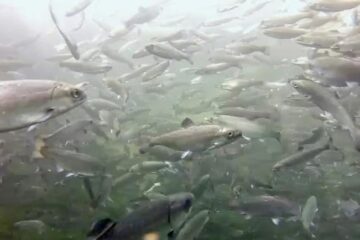
In California’s Central Valley, studies have found that increased streamflow can improve the survival of imperiled juvenile salmon populations during their oceanward migration. However, these studies have not explored the potential nonlinearities between flow and survival, giving resource managers the...
Researchers find that maintaining genetic variation is critical to allowing wild populations to survive, reproduce, and adapt to future environmental...
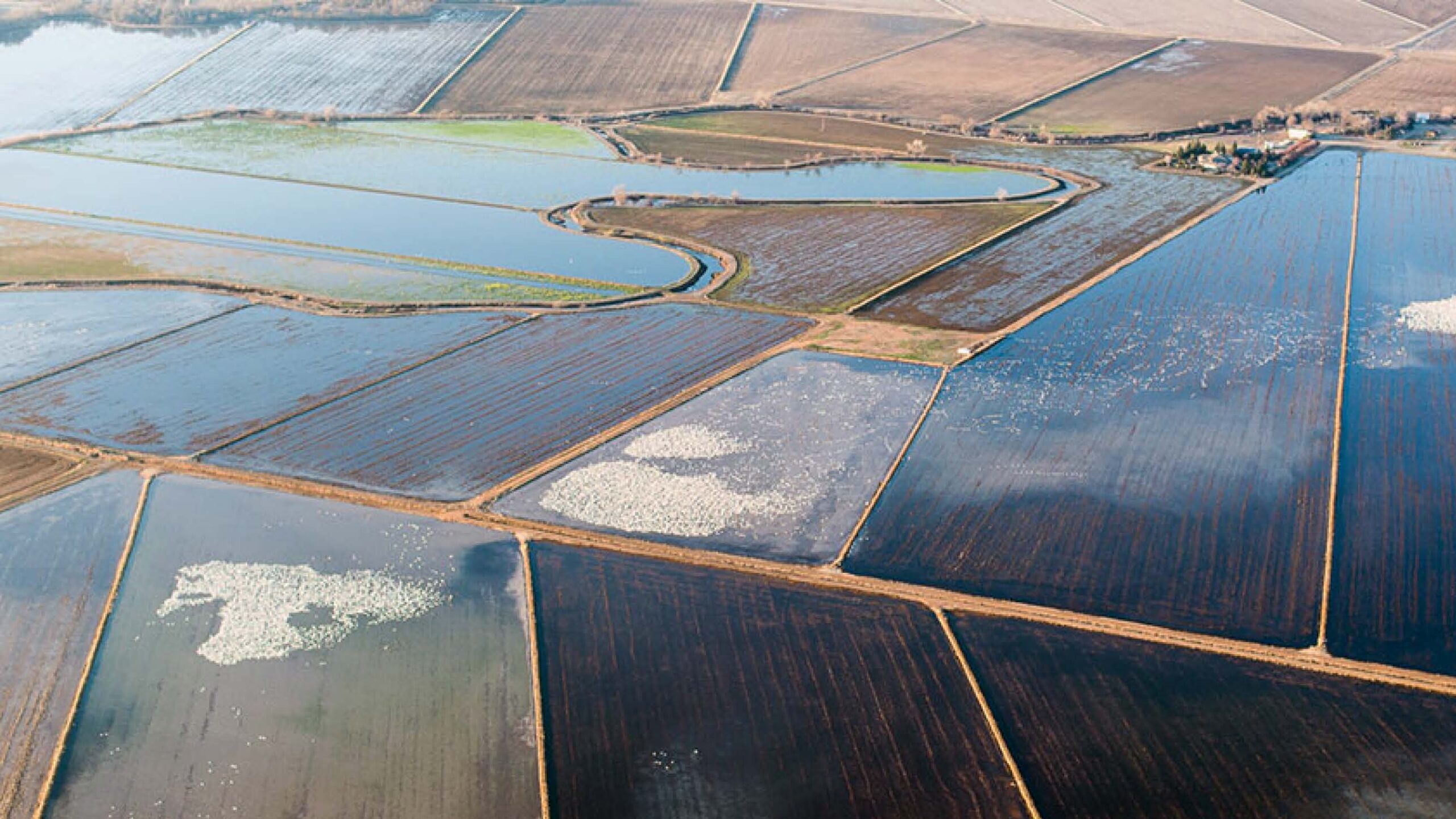
Two centuries ago, the floor of the Central Valley was primarily a marshy wetland. In the springtime, the snowpack would melt, swelling the rivers beyond their banks and casting the young fish out onto the floodplains. There they would stay...
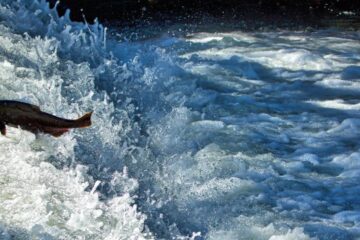
NOAA Fisheries recovery goals include reintroduction to save the late-migrating fish In drought years and when marine heat waves warm the Pacific Ocean, late-migrating juvenile spring-run Chinook salmon of California’s Central Valley are the ultimate survivors. They are among the...
With mountain snowpacks shrinking in the western U.S., new Berkeley Lab study analyzes when a low-to-no-snow future might arrive and implications for water management. By Julie Chao, Berkeley Lab Mountain snowpacks around the world are on the decline, and if the...