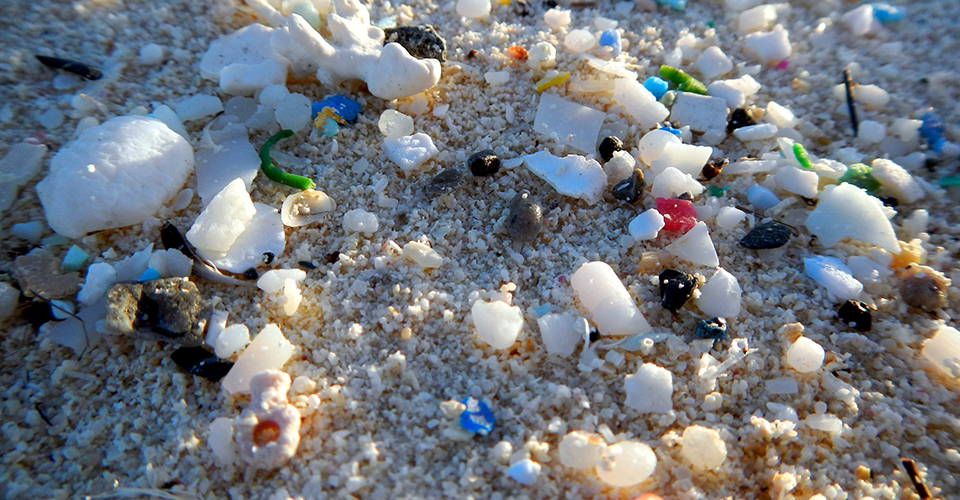
by Robin Meadows In 2019, the San Francisco Estuary Institute (SFEI) published a three-year study of microplastics in the San Francisco Bay that was―and still is―among the most thorough assessments of these tiny contaminants globally. The study was also groundbreaking....
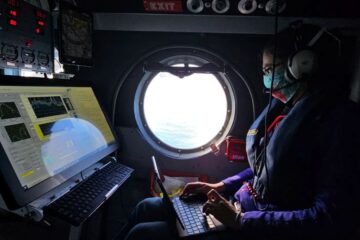
By Milan Loiacono, NASA In autumn 2024, California’s Monterey Bay experienced an outsized phytoplankton bloom that attracted fish, dolphins, whales, seabirds,...
By Lisa McEwen, SJV Water The Kaweah subbasin is the second San Joaquin Valley region to successfully escape state intervention, managers learned today. In a phone call with state Water Resources Control Board staff, managers of Kaweah’s three groundwater sustainability...
From the Southern California Water Coalition: The Delta Stewardship Council’s new recently adopted Adaptation Plan, Delta Adapts: Creating a Climate...
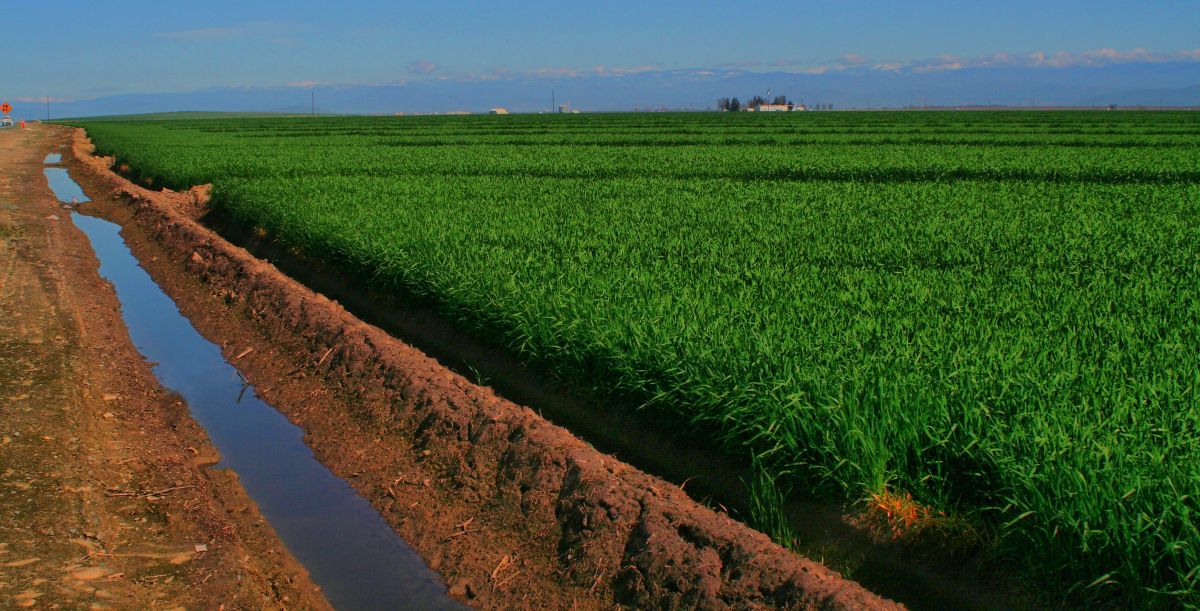
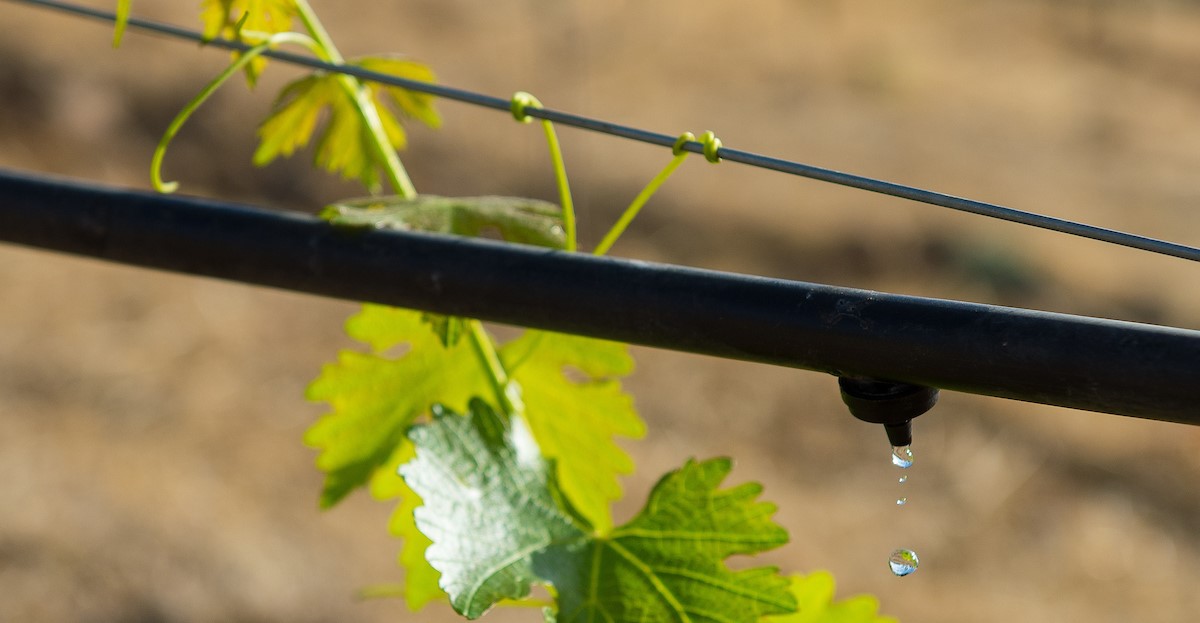
By Christopher Outcalt, Colorado State University Water is at the heart of agriculture. Every stage of the food-growing process depends on having reliable access to water. However, water levels are declining in many rivers and aquifers that function as key...
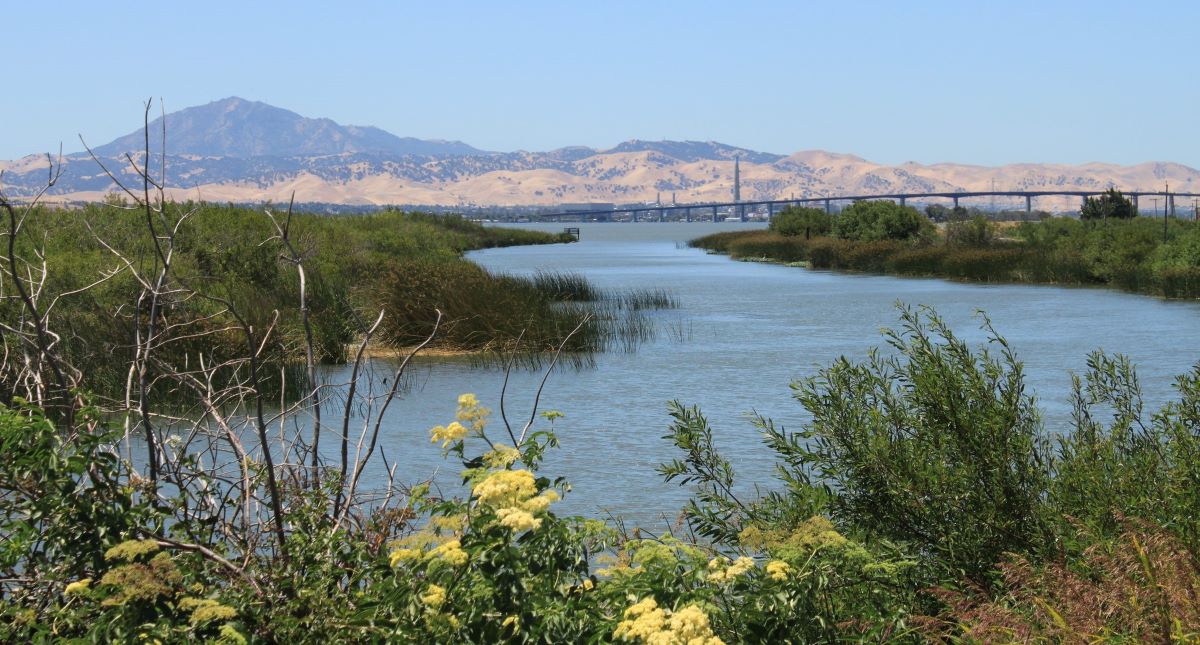
From the Delta Stewardship Council: At its June 26, 2025, meeting, the Delta Stewardship Council adopted the first-ever comprehensive regional climate adaptation plan for California’s Sacramento-San Joaquin Delta. Part of the Council’s Delta Adapts climate initiative, the Adaptation Plan details...
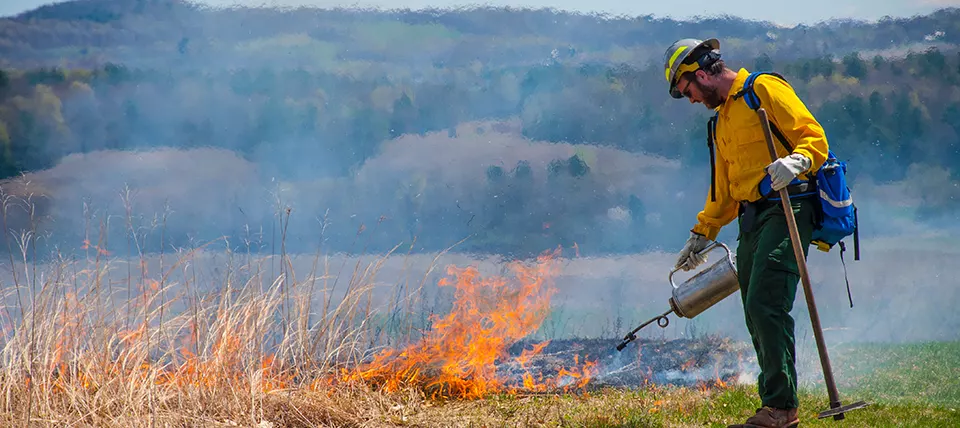
From Stanford News: A new Stanford-led study finds that controlled, low-intensity fires known as prescribed burns can slash wildfire intensity and dangerous smoke pollution across the western United States. As wildfires increasingly threaten lives, landscapes, and air quality across the...