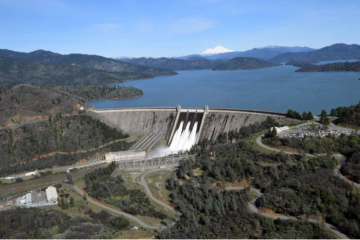
Changing existing operations and management procedures for water project operations, referred to as system reoperation, can yield numerous benefits such...
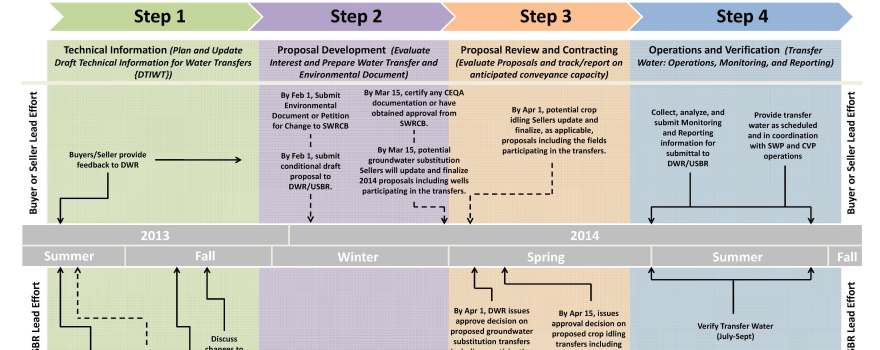
Water transfers can be an effective tool for water managers to provide flexibility in the allocation and use of water by moving water to where it is needed most, especially during times of drought. Water transfers can also help accommodate...
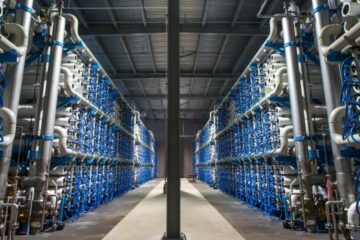
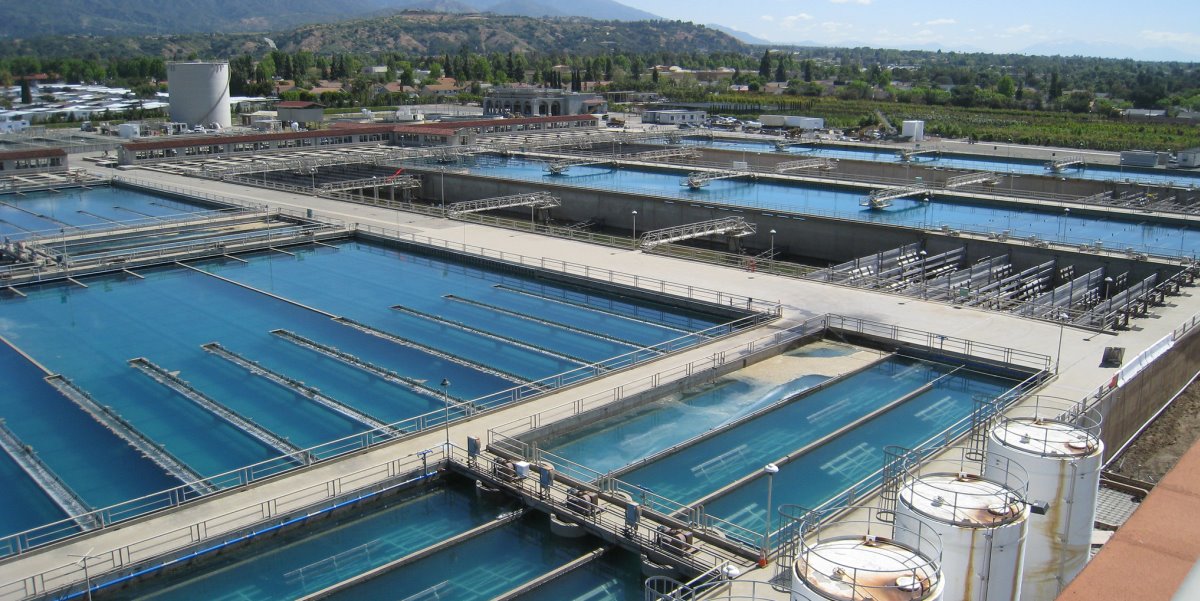
Drinking water treatment is among the most important public health achievements of the 20th century. However, agencies responsible for drinking water treatment and distribution face major challenges related to emerging contaminants, infrastructure, and the quality of source water. Many people...
Restoring ecosystems can have multiple benefits, such as recovering endangered and threatened species, increasing water supply reliability, and adapting to...
With much of the state’s water supply originating in the mountains as precipitation on the forested landscape, the health and management of the upper watersheds are critically important to California’s water quality and water supply. In recent years, concerns about...
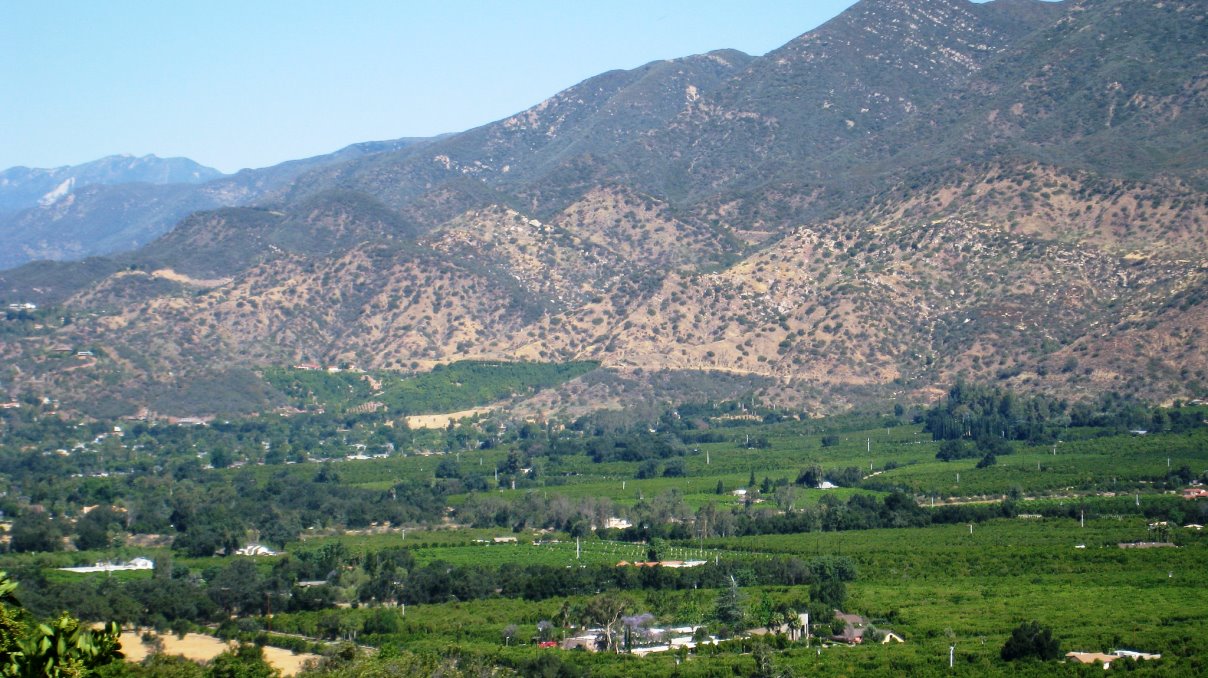
A well-functioning watershed provides clean water for drinking and irrigation, healthy soils, flood protection, habitat for wildlife, and outdoor recreation opportunities. Addressing these multiple issues calls for taking a watershed management approach. No matter where you are in the world,...
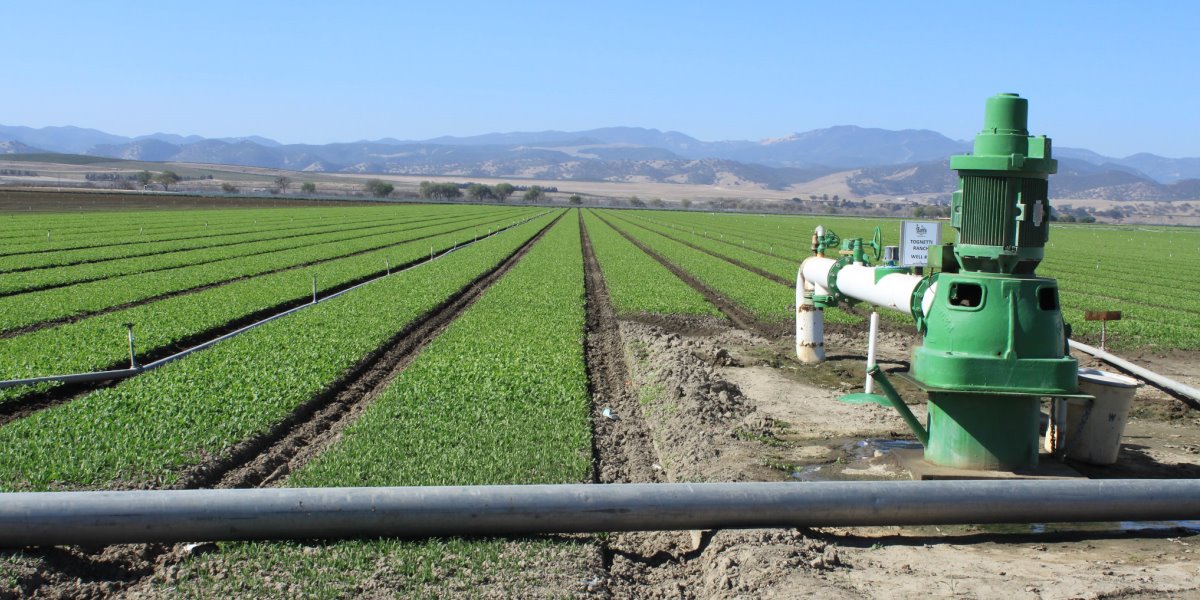
As groundwater sustainability agencies prepare their plans to meet the requirements of the Sustainable Groundwater Management Act (SGMA), they will likely utilize a variety of tools to achieve sustainability. In many subbasins, groundwater overdraft conditions will require GSAs to impose...