
Several news sources featured in the Daily Digest may limit the number of articles you can access without a subscription. However, gift articles and open-access links are provided when available. For more open access California water news articles, explore the main page at MavensNotebook.com.
State Water Board adopts Voluntary Agreements/Healthy Rivers and Landscapes Program …
Water Board adopts major overhaul to state water policy, drawing critics
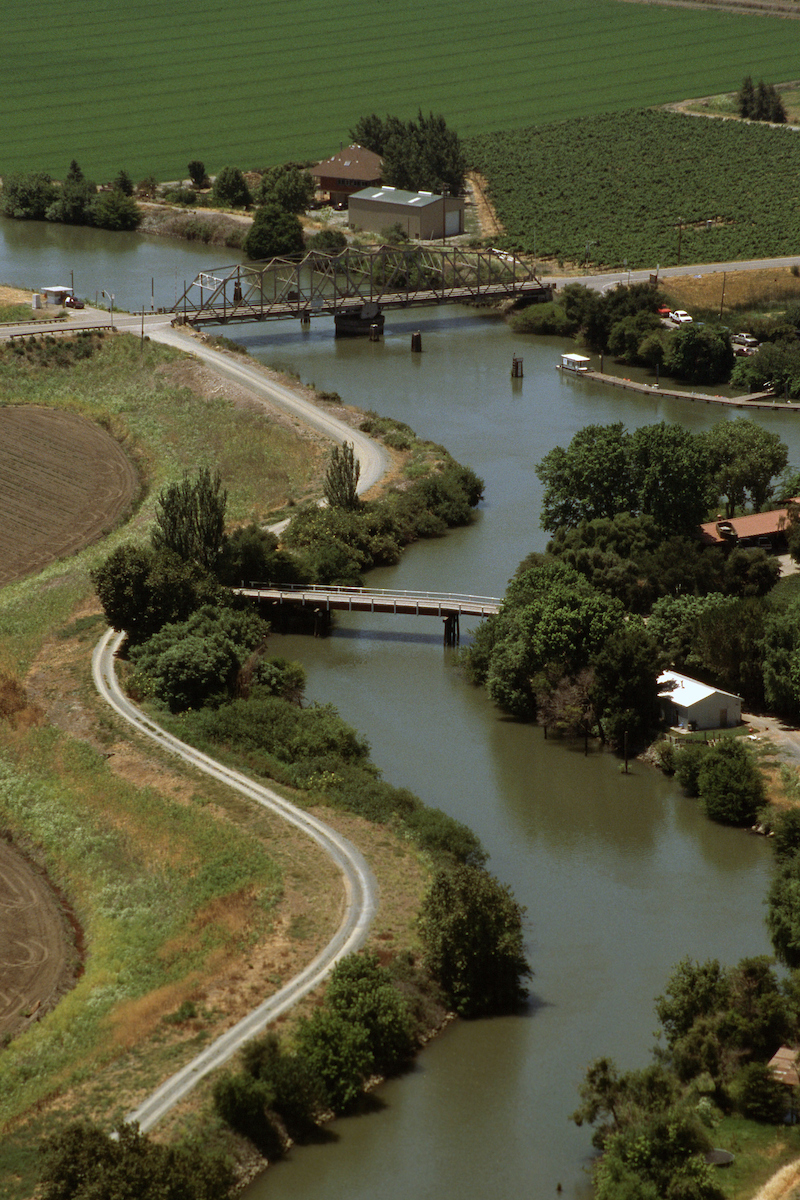
“California water regulators approved a sweeping, yet controversial plan to manage the use of water in the state’s rivers on Thursday, with the goal of halting the ecological decline of the Sacramento-San Joaquin River Delta. Known as the Bay Delta Plan, the years-in-the-making policy lays out new terms for how much river water can be taken for cities and farms, from the Bay Area to Southern California, so enough is left to flow to the delta, a vast estuary and water supply hub for 30 million people. The plan, backed by Gov. Gavin Newsom, is centered on a novel arrangement that has spurred endless debate: Urban and agricultural water agencies can avoid the strictest of water regulations by agreeing to help restore overburdened rivers. The agreed-upon restoration work is seen as a way to win buy-in for the plan while improving river health, and ultimately the state of the delta. … ” Read more from the San Francisco Chronicle.
State adopts Delta Plan with mixed water quality strategies
“The State Water Board this week adopted what it is calling an “innovative new model to protect California’s Bay-Delta, water and wildlife.” The framework for the Bay Delta Plan – or officially, the Water Quality Control Plan for the San Francisco Bay/Sacramento-San Joaquin Delta Watershed – combines new flows, habitat restoration, science and enforceable rules to protect the Sacramento River and Delta, the agency said in a statement released after Thursday’s vote. It is a mix of both pathways debated over the recent years: the more flexible Healthy Rivers and Landscapes program favored by Solano County water and government agencies, which also was endorsed by Gov. Gavin Newsom and the State Contractors among others; and the stiffer regulatory pathway first presented by the state agency. … ” Read more from the Daily Republic.
Tribes, Delta groups & environmentalists slam state water proposal
“Tribal leaders, environmental advocates, and Delta residents gathered this week to condemn the State Water Resources Control Board’s decision regarding water agreements they contend will damage the Delta among other issues. They pledged further action to defend California’s water rights system, protect critical ecosystems, and ensure meaningful public participation in decisions affecting the state’s water future. At the center of the plan newly adopted by the State Water Board are so-called “voluntary agreements”, privately negotiated deals allowing powerful water districts to offer limited flow commitments and funding in exchange for exemptions from stronger, enforceable regulatory requirements. … ” Read more from the Manteca Bulletin.
Statement from Metropolitan Water District
Metropolitan Water District General Manager Shivaji Deshmukh writes, ““Metropolitan and partners across the state have worked for years to develop a smarter approach to building a healthier Bay-Delta and a more reliable water future for California, recognizing that flows alone are insufficient to protect the estuary’s ecosystem and the state’s water supply. The result – the Healthy Rivers and Landscapes Program – was intended to bring together additional water, habitat restoration and science, though a new governance structure and dedicated funding, to dramatically change how the Bay-Delta is managed. Implementation of the Healthy Rivers and Landscapes Program would be a landmark achievement in moving toward collaborative, science-based decision making to improve the health of the Bay-Delta while providing reliable water for California communities and businesses.
“Metropolitan appreciates the State Water Board’s commitment to a sustainable Bay-Delta and its efforts to include in the plan an implementation pathway that does not rely primarily on flows. However, Metropolitan is disappointed in the plan adopted yesterday. Ultimately, the State Water Board did not adequately incorporate the pathway as envisioned by the Healthy Rivers and Landscapes Program. Metropolitan will continue its review, including the changes incorporated into the adopted plan, to determine crucial next steps, and while doing that will continue to collaborate and engage agencies and partners. Metropolitan remains committed to the principles of the HRL Program and to finding solutions together. Southern California’s water future is closely connected to the health of the Bay-Delta, and our shared goals remain as important as ever.”
Statement from the California Water Impact Network (C-WIN)
In other California water news this weekend …
Could El Niño trigger an ‘ARkStorm?’ California’s flood risk explained
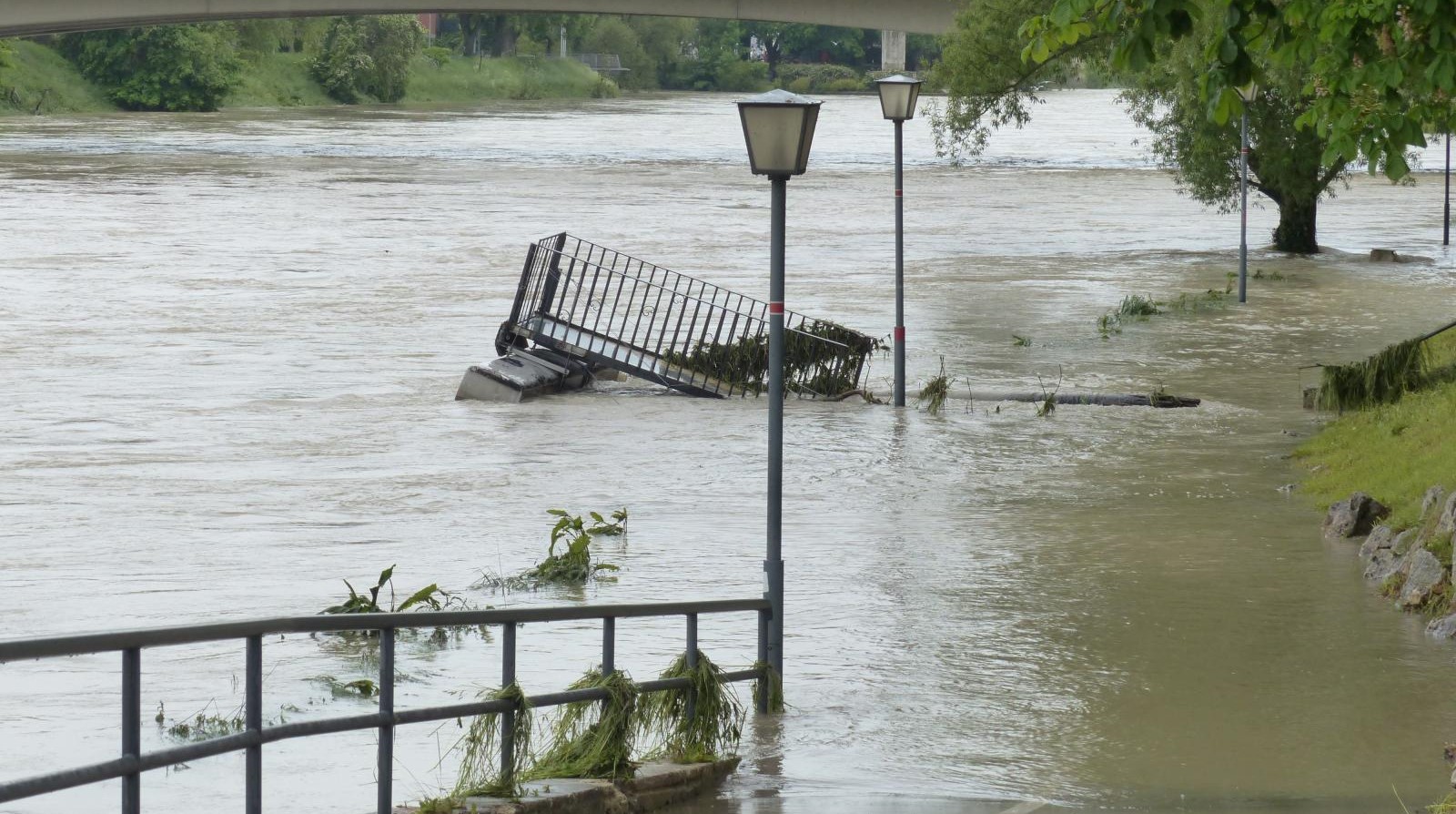 “The rivers in the sky hold the key. The strength, location and duration of atmospheric rivers – ribbons of water vapor that extend thousands of miles from the tropics to the western United States – will be the deciding factor in how much rain and snow falls in California this winter, and whether a disastrous “ARkStorm” flood could conceivably occur, experts told USA TODAY. “Atmospheric rivers are the wild card for this winter,” Scripps Institution of Oceanography research meteorologist Marty Ralph told USA TODAY. “If we get atmospheric rivers back to back, that sets the stage for potential flooding.” The El Niño powering up in the Pacific is prompting fears of a calamitous California winter, with potential flooding of historic proportions. Could it cause an “ARkStorm” scenario? “I am concerned about this winter,” Daniel Swain, a climate scientist with the University of California Agriculture and Natural Resources, told USA TODAY. “Due to the very strong El Niño, the risk of a severe ARkStorm-like flood resulting from weeks of heavy precipitation is more likely in a year like this one.” … ” Read more from USA Today. | Read via Yahoo News.
With El Niño on the horizon, can California’s flood protection weather natural, political uncertainties?
“It’s shaping up to be a very wet winter for California,with forecasts calling for a record-breaking El Niño that could bring the potential for floods, along with heavy rain and snow. Around 7 million people and billions of dollars worth of infrastructure across the Golden State face the risk of flooding. State and local officials have taken steps to boost their defenses, from mapping flood zones to shoring up thousands of miles of levees. But residents face additional uncertainty that is political in nature, with major federal shifts on disaster resources including at the Federal Emergency Management Agency (FEMA) and the National Flood Insurance Program (NFIP). A new report released by the Securing California’s Flood Future panel has outlined how California’s flood protection systems need to adapt to this new reality. Nicholas Pinter is the Schlemon Professor of Applied Geoscience at UC Davis and co-chairs the panel. He spoke with Insight Host Vicki Gonzalez about navigating environmental and political turbulence. … ” Read transcript or listen to radio show at Capital Public Radio.
Blog: The water we keep this winter depends on who gets paid for it
Bilen Essayas writes, “A very strong El Niño is lining up for this winter, with NOAA putting the odds above 90 percent, and the official message is to get ready. The Water Commission took up recharge readiness at its September meeting, DWR and its partners are running a recharge-readiness webinar series through February, and the Governor’s September 21 emergency proclamation directs agencies to promote recharge under existing law. Most of that preparation is about physical capacity and legal access: permits, diversion infrastructure, flood safety, the plumbing that moves a wall of winter water onto land where it can sink. All of it is necessary. The question underneath gets less airtime, and it decides how much of that water California actually banks. It is whether a grower has a reason to flood their own field, and something to show for it once the water is in the ground. … ” Read more from Bilen Essayas.
Flood resiliency report calls for mandated flood insurance as part of multi-layered actions
“Requiring statewide flood insurance was one of five key recommendations in a recently released report on securing a flood-resilient future for California. “Since 2025 – more than any other time in the past 60 years – there has been uncertainty and instability in how disasters are managed in the U.S.,” the conclusion of the 74-page report states. “Flood disasters are not solely the product of extreme weather; instead, they are the cumulative result of decisions about how communities grow, how risk is mapped and communicated, whether households are insured, and the degree to which governments invest in mitigation before disasters occur. A durable and resilient flood future for California will require a coordinated approach that links flood-risk mapping, land-use planning, insurance, hazard mitigation, emergency management, and long-term recovery.” … ” Read more from the Daily Republic.
As unusual low-latitude storm approaches SoCal; Once again, record-warm and record-high ocean conditions persist along CA coast amid still-strengthening El Niño
“t has been a wild week along the California coast, and not in a good way. Ocean temperatures have now reached record highs along the entire California coast (and on both sides of the Baja California peninsula, for that matter) extending all the way north to Pt. Reyes or even Pt. Arena (in Mendocino County)–a significant expansion from the more SoCal-focused record oceanic warmth in recent months. Significant marine ecosystem disruptions are now being reported along with these balmily warm waters. Even more dramatic to the casual observer, though, have been the increasingly disruptive and damaging episodes of extreme high tides and coastal flooding/erosion in recent weeks. Over the past few days, southern California ocean water levels reached their highest heights ever recorded in any month–and in parts of northern California, exceeded at least October monthly records (if not more in some locations). Widespread coastal flooding collectively affecting at least hundreds, and perhaps several thousand, structures from the San Francisco Bay Area southward to San Diego has been reported. … ” Read more from Weather West.
Newsom orders coastal highway protections, eases environmental rules ahead of El Niño
“Gov. Gavin Newsom has ordered California agencies to identify stretches of Highway 1 vulnerable to winter flooding and landslides while temporarily easing environmental permitting requirements for projects intended to protect coastal communities from El Niño storms. On the Mendocino coast, Caltrans closed Highway 1 twice last winter for flooding near the Garcia River, north of Point Arena. The road closed Dec. 21, 2025, and again Feb. 24, 2026, Caltrans spokesperson Manny Machado said in an email Oct. 21. Newsom signed the order Tuesday at Crystal Cove State Park in Newport Beach. It creates a Highway 1 Task Force led by the California State Transportation Agency and the California Natural Resources Agency. The order covers all 656 miles of Highway 1 and names Big Sur, where emergency projects cost about $312 million from 2020 through 2026. It tells Caltrans to watch for landslides where the highway has slid before or has recent burn scars, and to put prevention work there first “to the extent practicable.” … ” Read more from Local News Matters.
Tehachapi-Cummings County Water District board reaffirms support for Delta Conveyance Works project despite growing concerns
“The Tehachapi-Cummings County Water District Board of Directors reaffirmed its support for the Delta Conveyance Works Project at a monthly meeting Oct. 21 despite growing concerns about the project’s viability. The long-embattled Delta Conveyance Project, which would essentially finish the State Water Project with a tunnel transporting water from the Sacramento River to the San Luis Reservoir, has faced significant opposition and legal challenges. Earlier this year the project hit its latest legal snag. At the end of 2025 the 3rd Circuit Court of Appeal affirmed a trial court’s ruling that the project’s validation action was too vague, a ruling that has hampered fundraising efforts for the project. … ” Read more from the Tehachapi News.
Recent ding against Merced subbasin’s previously OK’d groundwater plan has managers on alert
“Water managers throughout the San Joaquin Valley are closely watching the latest groundwater twist in the Merced subbasin, which could see the region headed back under the enforcement thumb of the Water Resources Control Board. Even though Merced’s groundwater plan initially got the green light from the Department of Water Resources in 2023, subsidence still isn’t being dealt with to the state’s liking. Consequently, the subbasin’s plan got an “incomplete” rating on a recent five-year review. That’s just one step away from “inadequate,” which would send it back to the Water Board and possible probation, which comes with a host of fees and reporting requirements. Merced’s three groundwater sustainability agencies (GSAs) have 180 days to address deficiencies outlined in an Oct. 8 letter from the DWR. “We have every intention of complying with the recommendations and requirements of DWR and are already working to do so,” Bryan Kelly, Merced Subbasin plan manager, wrote in an email. … ” Read more from SJV Water.
State refuses to declare golden mussel emergency because there is no “long-term solution”
“Kern County water managers and officials were left scratching their heads after the California Governor’s Office of Emergency Services (CalOES) refused to declare an emergency due to golden mussels because “…there is no identified long-term solution to eliminate or control the continuation of the Golden Mussel Invasion,” according to a letter from CalOES. Without an emergency declaration, local water agencies aren’t eligible for California Disaster Assistance Act funding to help defray what’s conservatively estimated to be more than $36 million in annual costs to combat the invasive pest. “I’ve never seen an answer like this,” said Kern County Supervisor Jeff Flores who helped lead the effort to declare a countywide emergency in response to the growing infestation last spring. “I didn’t know a declaration was predicated on known solutions. I thought it was for emergency relief. Our farmers need to be reimbursed for their costs and we need help toward finding a solution.” … ” Read more from SJV Water.
SEE ALSO: State Denies Kern County’s Golden Mussel Emergency Bid, Leaving $36M Bill Unpaid, from Hoodline
From California dreaming to California doing: Scaling corporate investment in water resilience
“California’s economy depends on a reliable water future, and the state faces a projected 10% water supply gap by 2040. For companies with a water footprint in California, investing in water resilience protects their facilities and supply chains, while strengthening the communities they serve. This business imperative was the focus of the fourth annual California Water Resilience Forum on Oct. 27 in San Francisco, hosted by the California Water Resilience Initiative (CWRI) and co-sponsored by Cox Enterprises. Corporate leaders joined public agency, nonprofit, and finance partners to assess progress and confront a challenge none can solve alone: building water resilience at the scale and speed California needs. “The model is working. Now, it’s time to scale it,” said Emilio Tenuta, Ecolab’s Senior Vice President and Chief Sustainability Officer. “Reliable water is the foundation for reliable growth. We need to move from California ‘dreaming’ to California ‘doing,’ and turn commitments into measurable results for communities, businesses and watersheds.” … ” Read more from the Pacific Institute.
Catalonia and California share solutions to protect biodiversity from drought, heatwaves and fires
“The Department of Territory, Housing and Ecological Transition of the Catalan autonomous government has presented, within the framework of the COP17 on Biodiversity, in Yerevan (Armenia), the first study on the impact of climate change on the biodiversity of the Mediterranean bioregions that Catalonia is developing jointly with California within the framework of the MCAP (Mediterranean Climate Action Partnership). The study, that has been commissioned from CREAF, compares the two regions and seeks shared solutions. The Secretary of Ecological Transition, Jordi Sargatal, explained that “the study’s objective led by Catalonia and California is to analyze the effects of climate change on natural systems and society, such as species displacements, hydrological changes or the loss of ecosystem growth. This will allow us to share and advance in providing more effective responses to the challenges posed by extreme climate phenomena and provide models that can be replicated in the rest of the countries and regions that share our climate”. … ” Read more from the Centre for Ecological Research and Forestry Applications.
Karuk Tribe raises concerns over federal permitting bill
“The Karuk Tribe is urging California’s U.S. Senators to oppose legislation that would make changes to federal permitting, historic preservation protections, and environmental review requirements. The legislation, known as the Bipartisan American Affordability and Jobs Act of 2026, or S. 5653, would make broad changes thattribal organizations, including the Karuk Tribe, say would alter the way federal agencies assess the impacts of projects on tribal cultural sites and historic properties, change water quality certification requirements, extend the term of pollution permits, and alter certain aspects of the endangered species review. Craig Tucker, a natural resources policy consultant for the Karuk Tribe, said the proposal would impact the laws that tribes have long used to protect their cultural and environmental resources. … ” Read more from the Eureka Times=Herald.
Podcasts …
UC IRVINE: Preparing for unpredictable precipitation with David Feldman
David Feldman, the director of Water UCI, specializes in water resources management and policy, global climate change policy and ethics and environmental decisions. This episode of The UC Irvine Podcast is one of several focused on El Niño events. Feldman discusses how predicted precipitation will affect local and regional water supplies and addresses whether the infrastructure is prepared. He also shares what we’ve learned from past storms and what can be done to shore it up long-term. (Transcript and resources)
AgNET NEWS HOUR: Matt Angel warns groundwater declines could threaten California’s farming future
On today’s episode of the AgNet News Hour, Matt Angel, Madera County farmer and longtime groundwater and irrigation pump expert formerly associated with Madera Pumps, joined Nick Papagni for an in-depth conversation about California’s declining groundwater supplies, irrigation efficiency and the challenges facing San Joaquin Valley agriculture. Angel warned that without better groundwater monitoring and management, some of the state’s most productive farmland could face an uncertain future.
TALKING UNDER WATER: Arizona joins Nevada’s Colorado River Basin lawsuit
Who should bear the burden of Colorado River water cuts? Sarah Kominek, Mandy Crispin and Bob Crossen unpack Arizona’s move to join Nevada’s lawsuit against the federal government, the tension between Upper and Lower Basin obligations, and why water providers need both flexible operating rules and long-term certainty.
In regional water news this weekend …
NORTH COAST
Working group seeks to reconnect flows in lower Klamath Basin watershed
“Restoration of a healthy, sustainable watershed is one step closer with the first phase completed on the Lower Klamath Lake Reconnection Project. It has been more than a century since the Klamath River’s inflows into the Lower Klamath Basin were severed. Changes to the thriving ecosystem began with the installation of the railway in 1907, which cut off natural supplies to Lower Klamath Lake — just one year prior to the declaration of the area as the nation’s first protected wildlife refuge for migrating waterfowl. This diversion was the first of many disruptions to the natural watershed in the century that followed, resulting in glaring impacts that continue to plague the people and wildlife that inhabit the Klamath Basin today. … ” Read more from the Herald & News.
‘It’s all going to go’: Humboldt County reckons with the sea
“This year’s El Niño continues to rip up and push back the California coastline, and it’s barely even gotten started. Considering this winter’s approaching storms and the ongoing effects of climate change, a California county is changing course on already-approved plans to repair a coastal road. This week, Humboldt County decided to abandon its plans to repair a stretch of Centerville Road leading to the popular Centerville Beach, in favor of moving it inland. The unanimous decision comes just one month after the California Coastal Commission approved a $3.8 million plan to reconstruct and raise a 900-foot segment of the artery and build a new parking lot — under a few conditions. The county would have been required to make plans to move the road within five years, acknowledging that erosion would consume it eventually, and to prohibit vehicles from driving on the beach. … ” Read more from SF Gate.
Upper Trinity River adult Chinook fishery closes from Lewiston to Cedar Flat
“The adult fall-run Chinook salmon fishery on the Upper Trinity River closed Wednesday night, Oct. 28, after the California Department of Fish and Wildlife (CDFW) projected anglers had met the season’s quota. The closure came 12 days after the Lower Trinity River adult salmon fishery closed. The upper river quota was 536 adult Chinook salmon, according to the CDFW. The closure applies to the stretch from the Old Lewiston Bridge to the Highway 299 West Bridge at Cedar Flat. Anglers may still keep two-year-old jack Chinook salmon measuring 23 inches or less in that stretch. The CDFW said any adult Chinook caught must be released immediately. … ” Read more from KRCR.
SIERRA NEVADA
Lahontan Water Board secures $4.1M to protect drinking water in South Lake Tahoe
“The Lahontan Regional Water Quality Control Board announced a proposed settlement that would protect drinking water supplies in South Lake Tahoe from a toxic groundwater plume linked to a former dry-cleaning site. The proposed settlement would require Seven Springs Limited Partnership and Fox Capital Management Corporation, the former and current owners of the property, to provide treatment for municipal drinking water wells and address pollution affecting the Tahoe Valley South Subbasin for a period of 59 years. The contamination, primarily from tetrachloroethylene (PCE), originated from dry-cleaning activities at the property between 1972 and 1979 that formed a regional groundwater plume. The plume extended from the State Route 89 and U.S. Route 50 junction toward the Tahoe Keys and has contaminated wells used by two local drinking water providers. To ensure residents receive safe drinking water, the providers and the board have worked together to either treat the wells contaminated with PCE or close them. … ” Continue reading from the State Water Board.
SACRAMENTO VALLEY
Freeport Bridge closures set for November after delays
“The Freeport Bridge, which connects Sacramento and Yolo counties, will be closed during the daytime on weekdays throughout November. Starting Nov. 2, the bridge will close to vehicle traffic from 8:00 a.m. to 6:00 p.m. Monday through Friday. It will reopen each evening and remain open on weekends. Crews will be making structural repairs to the bridge. Yolo County supervisor Oscar Villegas said the project has already faced some delays, and finding a time to schedule the work has been challenging. “Timing of the work that’s going to be done, when the contractors are available,” Villegas said. “So unfortunately during the summer months, which I think would have been better, it didn’t work.” … ” Read more from CBS Sacramento.
NAPA/SONOMA
An artist’s lifelong love of rivers flows into a Santa Rosa gallery
“As an art student, Richard McDaniel was struck by a line from “Siddhartha,” Hermann Hesse’s novel about one man’s search for enlightenment: “The river continually flowed and yet it was always there; it was always the same and yet every moment it was new.” The paradox — something constant that is continually changing — became part of McDaniel’s master of fine arts thesis. Over the decades, it has also guided his work, drawing him to paint rivers and wetlands across California and the country, capturing their shifting beauty through seasons and environmental change. Now, those rivers, creeks and wetlands are the subject of “The Majesty of Water,” a four-part exhibition at Pepperwood Preserve. On view at the Dwight Center Gallery through July 2027, the show will change as the river does: Every two months, half the paintings will be replaced with new works, some of which McDaniel has yet to create. … ” Read more from the Santa Rosa Press Democrat.
BAY AREA
Hazardous beach conditions forecast starting early Monday
“An increased risk of dangerous sneaker waves and strong rip currents is forecast for the ocean beaches of the Bay Area early next week, the National Weather Service said Saturday. The hazardous beach conditions are expected from 5 a.m. Monday through 8 p.m. Tuesday, forecasters said on social media. “Waves can sweep across the shoreline without warning, pulling people into the sea from beaches, jetties and rocks,” the weather service said, in what are known as sneaker waves. … ” Read more from Local News Matters.
A deteriorating levee is the weak link as king tides roll into Marin County
“A Marin County neighborhood with a deteriorating coastal barrier is already feeling the impacts of king tides and coastal flooding sweeping into the Bay Area this week. The National Weather Service has extended a sweeping coastal advisory for Northern California until Sunday at 6 p.m. The North Bay started to feel the effects earlier this week when flooded roadways stranded a driver in Mill Valley, and now officials are focusing on a deteriorating 2-mile levee protecting 700 homes in an unincorporated community of San Rafael. “This week’s high tides caused water to seep through or beneath portions of the timber-reinforced berm,” Marin County Supervisor Mary Sackett told SFGATE in an email. “With even higher King Tides anticipated around Thanksgiving and Christmas, we have a limited window to strengthen the most vulnerable areas.” … ” Read more from SF Gate.
San Francisco steps up preparations for potential impacts of Super El Niño
“Numerous city departments in San Francisco on Thursday outlined how they’re getting ready to mitigate and respond to possible historic flooding and rainfall due to the Super El Niño weather pattern expected this winter. Supervisor Matt Dorsey called for the hearing at the Board of Supervisors’ Public Safety and Neighborhood Services Committee meeting, inviting city agencies such as the Department of Emergency Management, Fire Department, Public Utilities Commission, Port of San Francisco, Public Works, Recreation and Park Department, the San Francisco Municipal Transportation Agency, and others. “Today’s hearing is about making sure we use those tools well, ensuring that the public knows what’s coming, both to understand what the city is doing about it and what they should be doing about it to prepare,” Dorsey said. … ” Read more from Local News Matters.
CENTRAL COAST
Researchers observe the arrival of El Niño in Monterey Bay
“For more than 30 years, MBARI technology has recorded real-time data about Monterey Bay, from oceanographic conditions at the surface to biological surveys in the depths of Monterey Canyon. These data are integral to understanding our changing ocean and underpin the institute’s efforts to monitor the impacts of the incoming El Niño, which has been predicted to be among the strongest since the beginning of modern oceanography. Over the past month, MBARI researchers have detected the first signals of an extreme El Niño reaching Monterey Bay. MBARI moorings have recorded an anomalously strong influx of warm water at depth, while recent MBARI expeditions have observed warm-water species typically found farther south. “The 2026–27 El Niño has been forecast to be one of the strongest ever. Temperatures measured at an MBARI mooring have confirmed this for Monterey Bay, with the warmest temperatures observed in close to 40 years,” said MBARI senior scientist Francisco Chavez, an internationally recognized authority on El Niño. … ” Read more from PhysOrg.
California approved a rare hotel on the sand. It could transform this tiny beach town
“On a bluff above the beach just north of Monterey, Vibeke Norgaard walked along a stretch of jagged pavement hanging over the sand. Nearby, a 30-foot-high berm of crumbling concrete extended hundreds of feet up the beach — the tattered remnants of an old industrial mining operation that have plagued this small enclave for decades. Looking south along the shoreline, Norgaard could see beachgoers and surfers extending all the way to downtown Monterey and colorful facades of Cannery Row in the distance. “Look at the view. It’s incredible and as far as the eye can see,” said Norgaard, the city manager of Sand City. “But people don’t think to come here because of this mess.” … The beach has languished for 50 years. But Sand City may have found an unusual way to restore it. … ” Read more from the San Francisco Chronicle. | Read via Yahoo News.
Commentary: The Carmel River is finally recovering – let’s not undo it
The Board of Directors of the Carmel River Watershed Conservancy writes, “Since 2009, building a new home or opening a new business on the Monterey Peninsula has meant running into the same obstacle – no new water connections. On Thursday, that could all change as the State Water Board hears the Monterey Water Management District’s request to lift the cease-and-desist order that is currently protecting our Carmel River by limiting water demand. Lifting restrictions on new connections would benefit our community, but if we go too far too fast, the Carmel River will pay the price, and we could undo over a decade of progress. Supplying roughly a third of the Peninsula’s water, the Carmel River is one of California’s most ecologically significant and stressed waterways. The Carmel River Watershed Conservancy supports progress toward new housing and economic development, but that progress can’t come at the river’s expense. … ” Read more from the Monterey Herald.
Cal Poly proposal jeopardizes its own farming roots
Danilu Jelderks writes, “Imagine a respected college of agriculture proposing to replace about 50 acres of prime farmland on its campus with housing, a hotel, an event center, retail stores and other amenities. The land is used to teach students, giving them hands-on experience with the very resource their future careers depend on. This isn’t hypothetical. Cal Poly, San Luis Obispo, is seriously considering such a proposal. How many readers of Ag Alert® are Cal Poly alumni? How many remember walking from the agriculture building or crops unit to the campus’ row-crop fields, orchards and vineyards as part of their coursework? I do. I was 18 when I started at Cal Poly as a crop science major. That’s when I began working in the fields, some of which are now in jeopardy of being removed. I moved sprinkler pipe. I drove tractors. We did everything from planting and fertilizing to watering and harvesting. The hands-on experience gave me a big advantage when I started working as an agronomist after graduation. … ” Continue reading at Ag Alert.
SAN JOAQUIN VALLEY
Critical stretch of Stockton levee improvements completed in time for El Niño winter
“As El Niño conditions increase the likelihood of a wetter than average winter for much of California, the state and its partners are preparing critical infrastructure, including levee projects to protect communities. Today, the California Department of Water Resources (DWR) joined officials from the U.S. Army Corps of Engineers, the Central Valley Flood Protection Board and the San Joaquin Area Flood Control Agency to mark the completion of a critical levee segment and a major milestone in reducing flood risk for the City of Stockton. The Tenmile Slough levee is a critical component of the larger Lower San Joaquin River Project, a $1.95 billion project funded by the California Department of Water Resources, the U.S. Army Corps of Engineers, and the San Joaquin Area Flood Control Agency. Once completed, the project will provide improved flood protection for 122,000 residents and $28.7 billion in property along the San Joaquin River for the North and Central Stockton Area. … ” Read more from the Department of Water Resources.
SEE ALSO: Stockton completes critical stretch of San Joaquin River flood protection, from ABC 10
SOUTHERN CALIFORNIA
As toxic chemical fire burns, L.A. County officials ghost Chiquita Canyon Landfill hearing
“A group of California lawmakers and state oversight officials have admonished Los Angeles County health authorities for failing to attend a public hearing on their response to a toxic chemical reaction within Chiquita Canyon Landfill. The Joint Legislative Audit Committee held a public hearing Thursday evening in Santa Clarita Valley International School to discuss the findings of recent California State Auditor report that identified deficiencies in the Los Angeles County Department of Public Health’s response to health risks at the landfill. Since May 2022, garbage has been smoldering deep underground, releasing toxic fumes into nearby communities of Castaic and Valverde. The hearing came days after the state attorney general and the Department of Toxic Substances Control announced a lawsuit against the landfill‘s owner and operator, Waste Connections. The suit seeks civil penalties and relief for repeated violations of state hazardous waste laws and environmental contamination. … ” Read more from the LA Times. | Read via Yahoo News.
A tribe returns, joyful, to 51 acres in the San Gabriel foothills
“A 51-acre piece of land along the Pacific Crest Trail above Santa Clarita is going back to descendants of the people who once lived there. The couple who owned it marketed the plot as a potential glamping site, but they decided to sell it instead to the Fernandeño Tataviam Band of Mission Indians. The tribe traces its history to villages throughout the San Fernando, Santa Clarita and Antelope valleys. On Wednesday, tribal members reconnected with the plants, birds and bugs among the chaparral of the San Gabriel foothills. Government officials and neighbors celebrated with them. It was the tribe’s second land return, made possible with state funding, after spending more than a century without a single acre to their name. “We’ve been known as a landless tribe. Living in your apartment or house, you could have a small garden,” said Jesus Alvarez, board president of the tribe’s conservancy and a tribal citizen. Now, he imagines days in the not-too-distant future where 5-year-olds learn by roaming these hills, not just listening to stories. … ” Read more from the LA Times.
Toxic algae danger alert issued for Castaic Lake; all recreational boating banned
“Los Angeles County officials have upgraded a harmful algae warning at Castaic Lake to the highest danger level, prohibiting all recreational boating and warning visitors to avoid contact with the water. The Los Angeles County Department of Parks and Recreation announced the heightened restrictions Thursday, saying conditions at Upper Castaic Lake had worsened enough to warrant upgrading a previous warning to a danger advisory. Under the new restrictions, all recreational boating is prohibited, including kayaking, windsurfing, jet skiing, water skiing, wakeboarding and wake surfing. No recreational watercraft are permitted to launch. Officials warned that toxins produced by harmful algae can cause serious illness in humans and potentially kill animals. … ” Read more from KTLA.
LA coastal flooding breaks record set in 1983 — with more almost certainly ahead
“Los Angeles has handily broken its record for most days of coastal flooding in a year. And that’s without including October in the tally and with a wet El Niño winter ahead — a worrying sign for coastal homes and infrastructure. Researchers can’t yet project how many more days of flooding we’ll have in 2026 — but we’re already well ahead of what the National Oceanic and Atmospheric Administration’s models had forecast up to this point. NOAA oceanographer Karen Kavanaugh said models had predicted three to six flood days between May 2026 and April 2027. Those models took El Niño and sea level rise into account. She said that there have already been nine flood days in that window and added that the 12 flood days so far in the calendar year are “abnormally high.” … ” Read more from the LAist.
California’s first sea turtle eggs could hatch any day now. Biologists prepare for the ‘frenzy’
“For the first sea turtle eggs ever laid on California beaches, hatching day — hopefully — draws near. At the Aquarium of the Pacific, 204 olive ridley eggs lay packed between layers of sand in the same styrofoam coolers scientists used to transport them to the Long Beach facility in late September — just days before high tides inundated their Orange County nesting sites. Wireless sensors and cameras monitor conditions within the coolers to ensure their contents remain around 85 to 86 degrees. Aquarium staff check on the makeshift nursery three to four times a day, but will soon increase those visits to every other hour. On Saturday, it will be 45 days since an olive ridley sea turtle crawled out of the surf and deposited a clutch of eggs near the Surfside community in Seal Beach. Three days later, on Sept. 19, a second olive ridley laid eggs eight miles south on Huntington Beach. … ” Read more from the LA Times.
29,000 gallons of sewage spill in Belmont Shore, forcing city to close coastal waters
“Health officials say 29,000 gallons of sewage spilled out of a mainline pipe in Belmont Shore on Friday evening. The spill happened around 6:30 p.m. near Livingston Drive and Second Street, according to a statement from the city’s Health Department. “The spill was associated with a force main break, a pressurized pipe to convey wastewater,” according to the statement. There was no word on what caused the break. Long Beach Utilities stopped the spill by rerouting sewage to bypass the line and is working on emergency repairs, and the city has called in a contractor to clean up what spilled. City crews tried to catch as much of the sewage as possible before it reached drainage systems that led to the ocean, but about 14,000 gallons ultimately reached the sea, forcing Long Beach to close its coastal waters — including bays and lagoons. … ” Read more from the LAist.
San Bernardino County partnership with Cadiz affiliate renews water pipeline fears
“San Bernardino County has partnered with a Cadiz Inc. affiliate to establish a public financing authority that could advance the company’s controversial Mojave Desert groundwater pipeline project, which has faced years of environmental opposition and litigation. The San Bernardino Water and Power Authority announced its formation Monday, Oct. 19, following an inaugural meeting on Oct. 5. The county Board of Supervisors unanimously approved the joint powers agreement with Fenner Gap Mutual Water Co., the Cadiz affiliate, on April 21. The partnership marks another potentially significant development for Cadiz, which has spent decades trying to bring its groundwater in the Cadiz and Fenner valleys, near Amboy, to Southern California communities despite fears that pumping could dry up natural springs and damage fragile desert ecosystems. … ” Read more from the San Bernardino Sun.
Calimesa water project marks milestone
“One year after local water board officials gathered beneath a tent in the rain to break ground on a regional water project, they returned to the same site under sunny skies to celebrate a new connection to the State Water Project — one designed to help replenish groundwater supplies and strengthen water reliability for communities across the San Gorgonio Pass. The Oct. 14 ribbon-cutting ceremony for the County Line Road Recharge Basin and Turnout Project brought together representatives from the San Gorgonio Pass Water Agency, San Bernardino Valley Municipal Water District, South Mesa Water Company and Riverside County, along with regional water leaders and elected officials. The project can replenish underground water supplies with up to 479 million gallons annually, according to the project announcement, helping protect drinking water supplies for approximately 18,000 residents. … ” Read more from the Yucapia News-Mirror.
IMPERIAL/COACHELLA VALLEYS
Salton Sea Leadership Program: A pathway to conservation work
” … Kevin is a 2026 Salton Sea Leadership Program (SSLP) alum, and Melanie was one of the program’s guest speakers. With the 2027 program just around the corner, I spent three days with three alumni, including Kevin, to learn about the fieldwork they have been doing since graduating. Each year, over the course of four months, a cohort of 10 local residents participates in the Salton Sea Leadership Program to learn about environmental topics directly from researchers, engineers, and environmental organizations in the Coachella and Imperial Valleys working to protect the spaces plants, animals, and humans share. During our conversation, Kevin shared that he is gaining college credit through the College of the Desert’s Work Experience Program with UCR’s Center for Conservation Biology. When asked how he came to join the Center for Conservation Biology, Kevin said, “I met Dr. Lynn Sweet through my work at REI, but previously I met Melanie Davis through the Salton Sea Leadership Program”. The Salton Sea Leadership Program isn’t just a lecture series. It’s an educational internship taught by local researchers, engineers, and environmentalists, giving participants opportunities to meet the people doing on-the-ground work. … ” Read more from Audubon.
SAN DIEGO
San Diego El Niño: The case for stormwater funding
“Emergency declarations. Unprecedented coastal flooding. King Tides. Kelvin Waves. This year’s event is on track to be the strongest on record—and San Diego’s water infrastructure, especially its stormwater system, is nowhere near ready for it. Here’s what to expect, what the City is doing, why our neglected system is in trouble, and what you can do to prepare. What is El Niño? The El Niño and La Niña cycles are the warm and cool phases of a naturally occurring cyclical pattern of weather called the El Niño-Southern Oscillation (ENSO) that originates in the tropical areas of the Pacific Ocean. These two phases create extreme shifts in global weather patterns, ocean conditions, and air pressure. The term El Niño dates back to the 1600s, when South American fishermen first noticed periods of unusually warm water in the Pacific Ocean. The full name they used was “El Nino de Navidad,” because the effects of El Niño usually peak around December. … ” Read more from the San Diego Coastkeeper.
Commentary: The Tijuana River sewage crisis keeps growing. Who is responsible?
Tania Navarro, community opinion editor at The San Diego Union-Tribune, writes, “The alarm bells are ringing. A strong El Niño is expected to bring heavy rain and high tides to the region this fall and winter, and it has already caused flooding in Newport Beach and flood warnings in San Diego County in recent days. Those of us who have lived through similar seasons know what that could mean at the border, where the Tijuana River reminds us that Tijuana and San Diego share the same place. The geography and the explosive growth of Tijuana’s population are not in America’s favor. The city has grown to nearly 2 million residents, and its infrastructure has struggled to keep up. Sewage systems, wastewater treatment plants and drainage systems are overwhelmed, and residents on both sides of the border can see and smell the consequences. Then there is the river. It has always been part of this landscape, flowing north across the border before reaching the Pacific Ocean through the Tijuana River Estuary. But the story of how we got here is important, because this crisis did not begin with the latest storm, and it cannot be solved by simply pointing south. … ” Read more from the San Diego Union-Tribune.
Along the Colorado River …
Commentary: Time to treat the Colorado River like business infrastructure
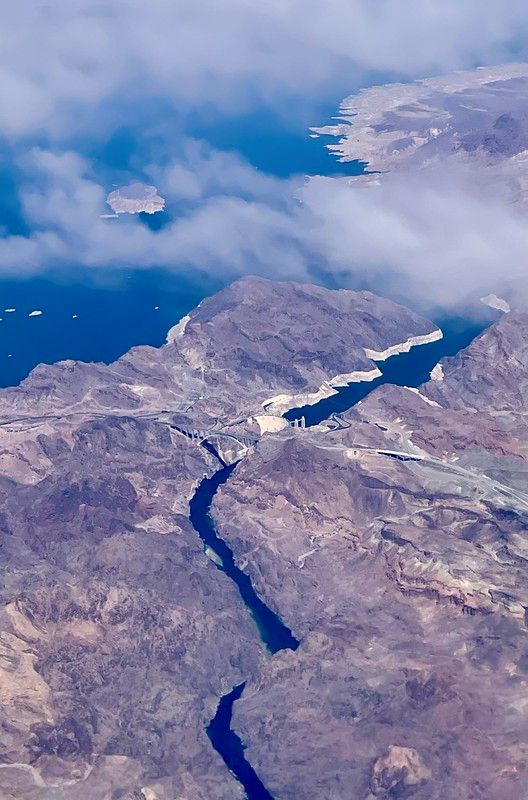
Poul Due Jensen, group president and CEO of Grundfos, and Camille Calimlim Touton, former commissioner of the U.S. Bureau of Reclamation, write, “The Colorado River is sending business leaders a clear warning: Ignore water constraint risks at your own peril. Like many other water systems, the infrastructure, policies and agreements that govern the river were built for a different era. One with fewer people, lower demand and a very different hydrology. Today, those assumptions have collapsed. The system is under severe strain, and the consequences extend far beyond water management. The Colorado River supplies water to 40 million people and supports an economic engine that drives an estimated 16 million jobs and more than $1.4 trillion in annual activity. When that foundation becomes uncertain, the impacts show up quickly through rising costs, constrained growth, delayed projects and supply chains under strain. … ” Read more from the Las Vegas Review-Journal.
Colorado River basin candidates wade into water politics, but winners are unlikely to make big changes
“In Nevada, Attorney General and Democratic candidate for governor Aaron Ford’s campaign has said Gov. Joe Lombardo, a Republican, “botched negotiations” over the future of the Colorado River. In neighboring Arizona, Rep. Andy Biggs, the Republican Party’s candidate for governor, has said Democratic Gov. Katie Hobbs has cost the state millions of gallons of water from the river. And the Trump administration accused Hobbs of “playing politics instead of working toward meaningful solutions” when the state filed a motion to join Nevada in its lawsuit against the federal government’s new framework for managing the river after offering no comment on the initial suit filed by the Republican-led state. None of the candidates’ campaigns responded to requests for comment from Inside Climate News. These barbs come in the waning days before the midterm elections, when six of the seven Colorado River Basin states will cast ballots to elect governors. … ” Read more from Inside Climate News.
Colorado River crisis puts water center stage in Arizona midterms
“Water has been a prominent issue in Arizona for decades. But it has rarely played such a featured role in campaigns. The rivals for governor have squabbled over a federal conservation plan for the Colorado River. The attorney general has accused her challenger of apathy about the state’s shortage. One congressional nominee has largely centered his appeal to voters on the slogan “water is life.” “It is something we’ve been talking about on the campaign,” former Navajo National president Jonathan Nez said in an interview. “But it’s coming directly from the citizens of Arizona, too.” … ” Read more from Cronkite News.
In national water news this weekend …
The world’s biggest cities are sinking. Is yours one of them?
“The warning, buried in an obscure government report this summer, was unflinching. The Defense Department’s vaunted network of research laboratories — whose scientists helped develop satellite communication, radar technology, and even the computer mouse — was in trouble. The labs lost a significant share of their staff last year, largely in response to the Trump administration’s efforts to thin the federal work force, the report found. Refilling critical positions was proving difficult due in part to President Trump’s demand that new hires be screened for their loyalty to his goals. The report, issued by the Pentagon, pointed to “potentially grave consequences for the future of national defense.” … ” Read more from Scientific American. | Read via Yahoo News.
How Trump is dismantling America’s scientific research machine
“The warning, buried in an obscure government report this summer, was unflinching. The Defense Department’s vaunted network of research laboratories — whose scientists helped develop satellite communication, radar technology, and even the computer mouse — was in trouble. The labs lost a significant share of their staff last year, largely in response to the Trump administration’s efforts to thin the federal work force, the report found. Refilling critical positions was proving difficult due in part to President Trump’s demand that new hires be screened for their loyalty to his goals. The report, issued by the Pentagon, pointed to “potentially grave consequences for the future of national defense.” The turmoil inside scientific research has extended beyond the Pentagon. … Under Mr. Trump, the federal government is still spending roughly as much on research — about $200 billion this year — as the administrations that came before. Scientists across the country are still receiving grants; universities are still being funded. But beneath the surface, the system of federally funded science that helped make the United States a global superpower is under intense strain from Trump policies, jeopardizing the nation’s advantages in defense, medicine and technology, a New York Times examination has found. … ” Read more from the New York Times.

