State agencies highlight nature-based solutions for the Delta Nature-based solutions use natural systems and working landscapes to reduce greenhouse gas...
Even by California’s standards of extreme variability, water year 2025–26 has been a strikingly poor snow year, especially in the mountains that feed the Delta watershed. A dry fall and January limited snow buildup even after a few early storms,...
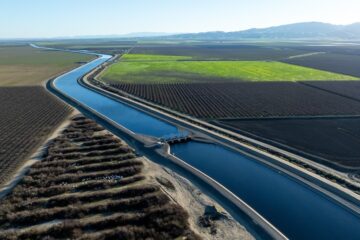
Groundwater-driven land sinking in the San Joaquin Valley is reducing aqueduct capacity, prompting interim repairs and long-term planning. At Metropolitan...
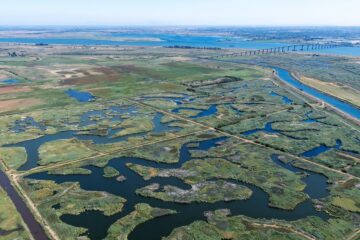
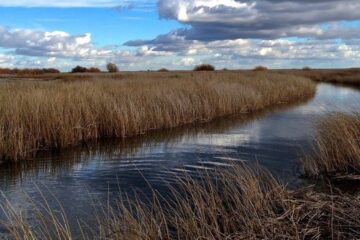
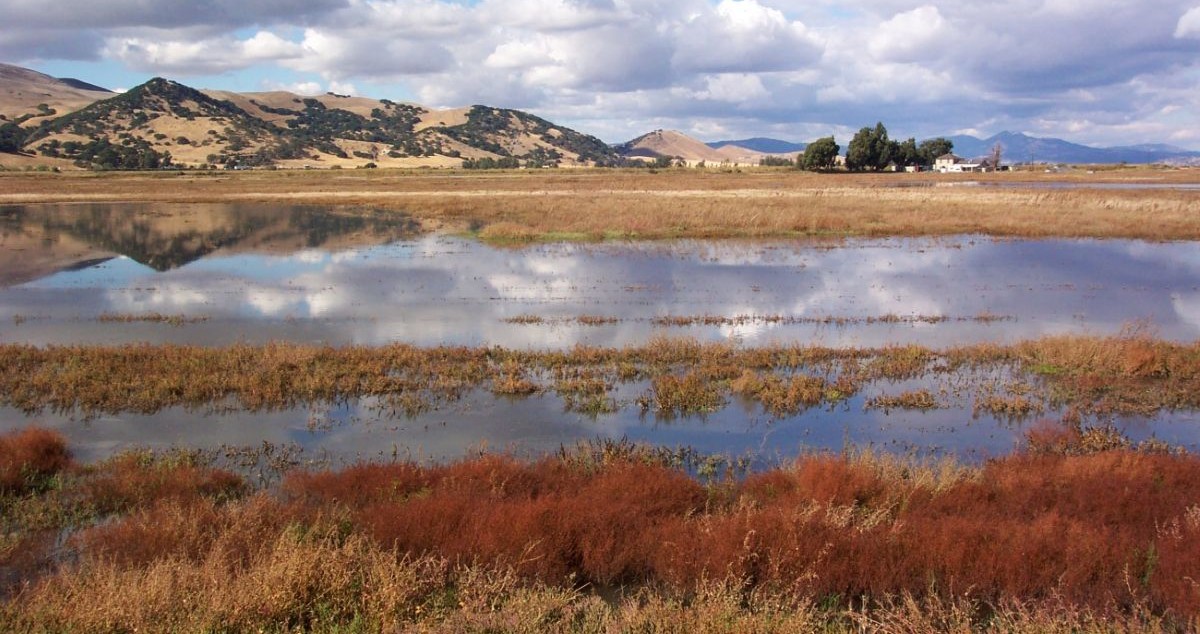
By Robin Meadows About a decade ago, researchers at the University of California, Davis made a surprising discovery while teaching a class in Suisun Marsh, the largest contiguous brackish wetland on the west coast of North America. While most of...
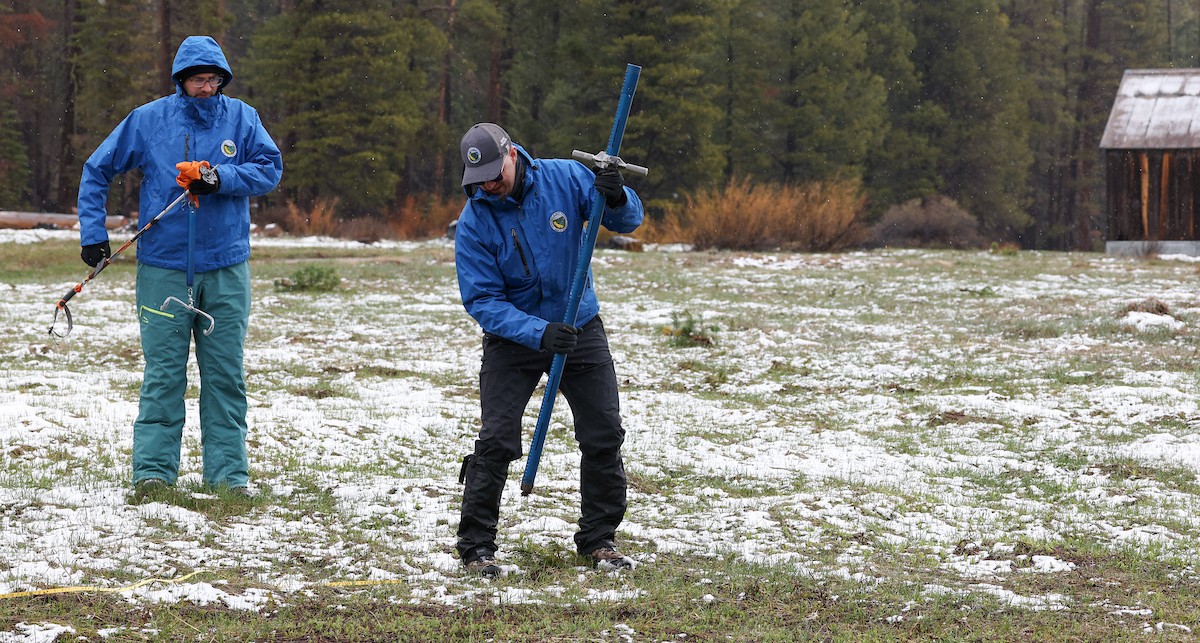
By Robin Meadows The snowpack that supplies about one third of California’s water needs historically peaked in April—but the state can no longer count on this natural water storage as the world warms. This winter is a perfect example. Precipitation...
In December 2025, the Groundwater Resources Association of California hosted a two-day webinar to address the complex relationship between Interconnected...
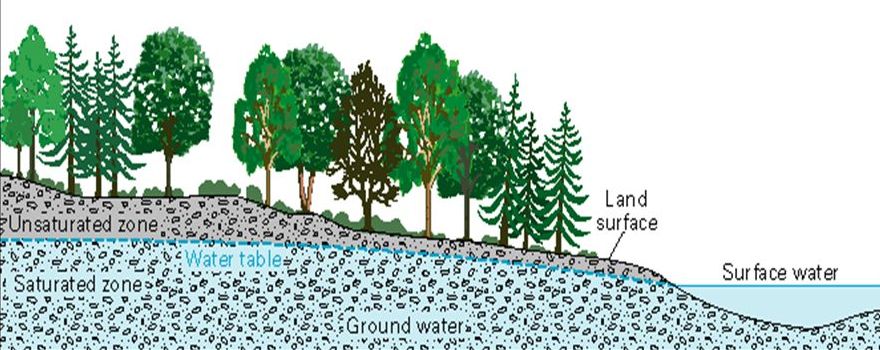
In December 2025, the Groundwater Resources Association of California hosted a two-day webinar to address the complex relationship between Interconnected Surface Water (ISW) and groundwater. The event brought together experts to discuss the science, environmental implications, and policy challenges of...
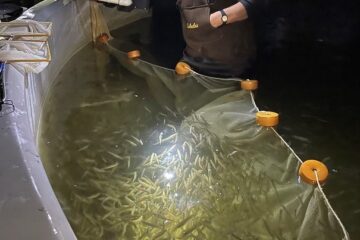
by Robin Meadows In 2021, California suffered a severe drought and the hottest summer then on record. Water was beyond scarce. It was brutal for the fish, farmers and others who depend on flows in the San Francisco Bay-Delta watershed,...