
By Paul Gosselin, DWR Deputy Director for Sustainable Water Management
California’s weather extremes are a reminder that managing our groundwater resources requires planning for both drought and floods. After a warm spring that rapidly melted the State’s snowpack, forecasts now point to strong El Niño conditions for this coming winter, bringing the potential for significant storms and opportunities to replenish groundwater supplies.
Over the past six years, our state has experienced record-breaking weather events, from severe drought that strained domestic wells to historic precipitation that produced excess flood flows threatening life, property, and critical infrastructure. These extremes underscore the importance of building a more resilient water supply – one that can capture and store water during periods to help sustain communities, agriculture, and ecosystems through dry years.
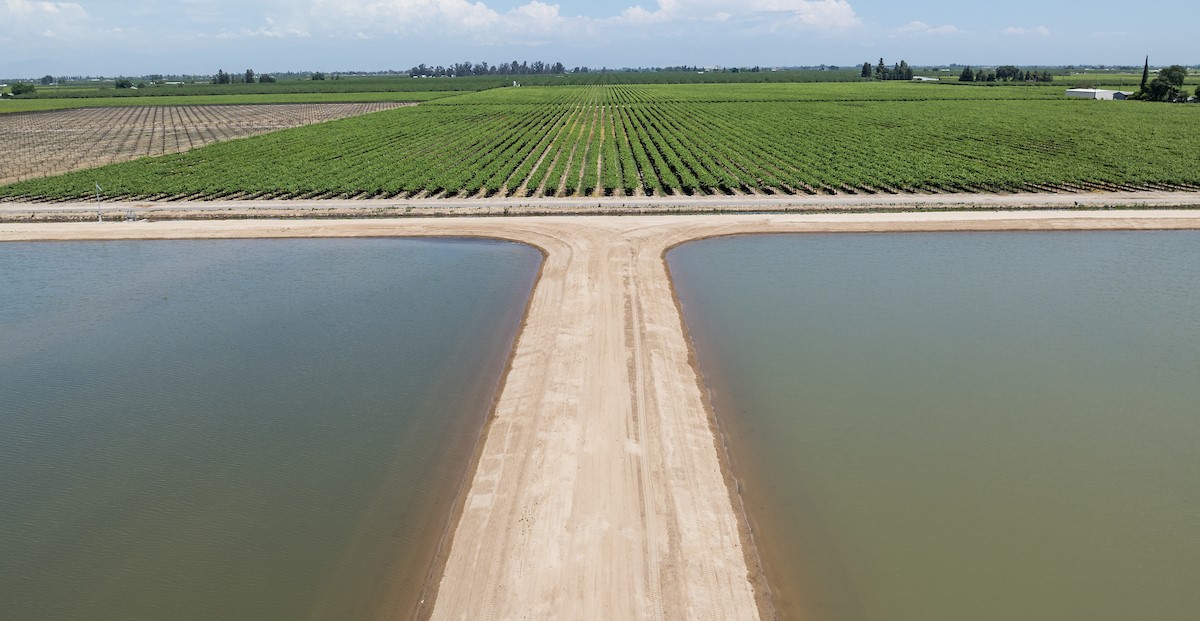
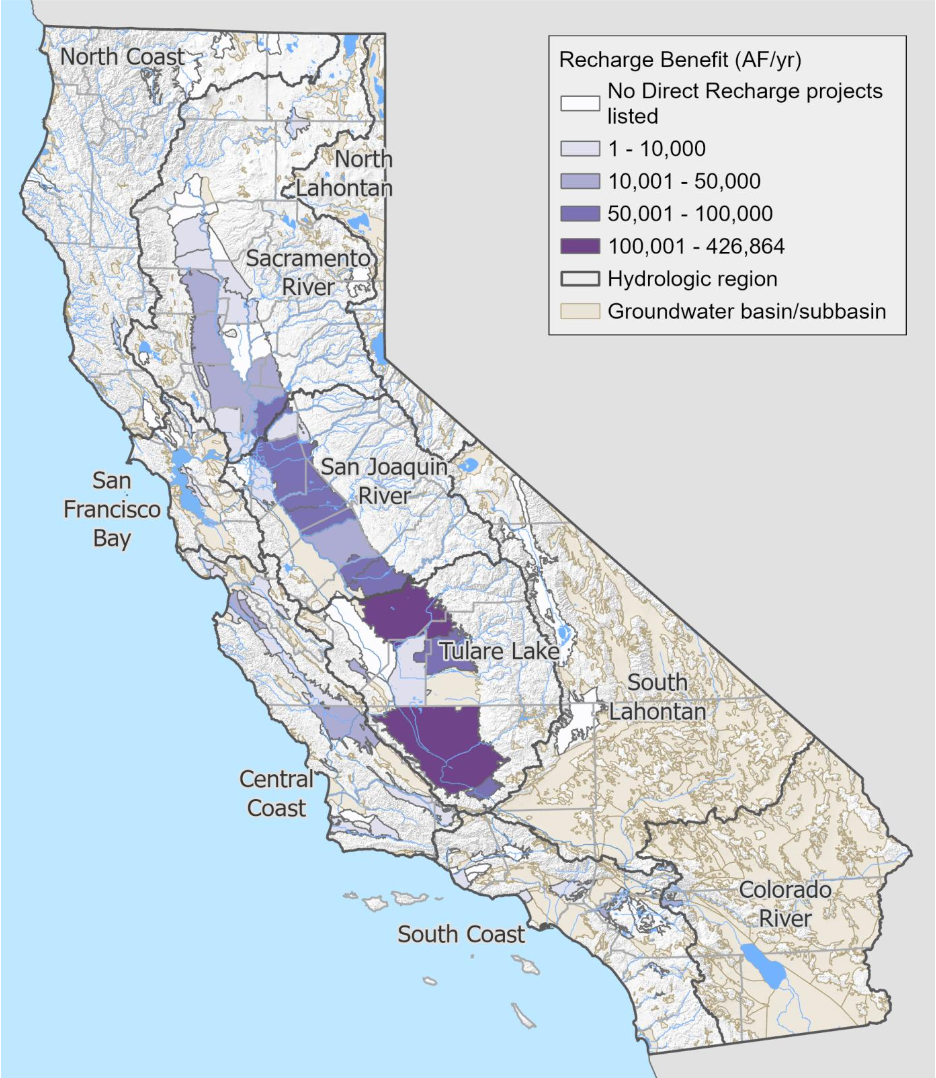 That work is already underway. Through the Sustainable Groundwater Management Act (SGMA), local agencies are making progress toward long-term groundwater sustainability, supported by state investments in groundwater recharge, improved monitoring, and coordination. As California prepares for a potentially wet winter, state and local partners are working together to identify opportunities to capture and store available flood flows when conditions allow.
Groundwater recharge is a cornerstone of Governor Newsom‘s Water Supply Strategy. It offers a wide range of benefits, including enhancing water resiliency and security, reducing vulnerability to floods, drought, and dry wells, and promoting long-term sustainability. The Governor’s recent El Niño emergency proclamation further supports this work by providing opportunities to streamline coordination and prepare projects to capture water during the winter season.
Against this backdrop, DWR is pleased to share the Fall 2026 edition of the Semi-Annual Groundwater Conditions Update. This update highlights progress local agencies are making toward groundwater sustainability and provides data that helps guide decisions in our local communities. Drawing on data collected by local and state partners, including annual reports submitted for 99 groundwater basins, it provides it provides valuable information to help communities understand changing conditions, track progress, and make informed groundwater management decisions.
While no single wet winter can resolve California’s long-term groundwater challenges, every opportunity to replenish our aquifers matters. By combining reliable data, local planning, and strategic investments in groundwater recharge, California is better positioned to make the most of wet years while preparing for the dry years that will inevitably follow. DWR remains committed to supporting local agencies in this work, strengthening groundwater sustainability and building a more resilient water future for all Californians.
